Historical Information
In the flow of formation and development of Da Lat city, the Hue immigrant community has contributed to creating a unique cultural nuance, quietly but persistently. Bringing with them the lifestyle, customs and spiritual values of the ancient capital, Hue people, when coming to live in the highlands, still pay special attention to preserving traditional Tet rituals. Those values are today preserved and recreated through the system of artifacts at the Lam Dong Provincial Museum, contributing to reflecting the spiritual life and cultural identity of the Hue community in the urban space of Da Lat. old.

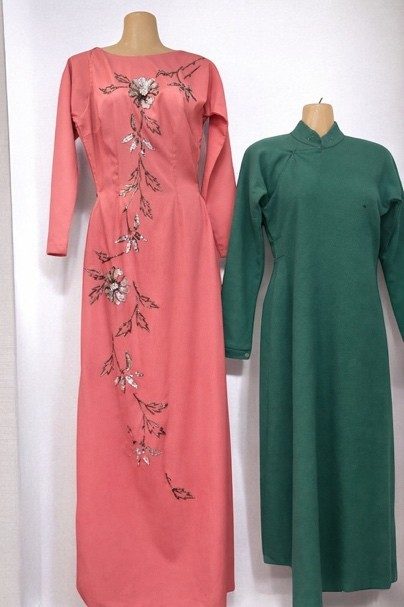
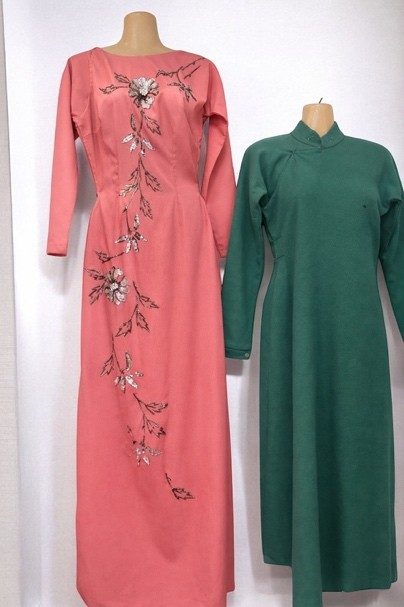
Traditional ao dai of Hue people during Tet, currently on display at Lam Provincial Museum Dong
Among the artifacts related to Tet rituals, traditional ao dai is a typical group of artifacts, associated with religious activities and social interactions in the first days of the year. For Hue people, ao dai is not only a daily outfit but also has a ceremonial meaning.Showing respect for ancestors and standards of behavior. During Tet, ao dai is worn when worshiping, wishing New Year, and going to temples, contributing to creating a solemn and elegant atmosphere of Spring. The ao dai artifacts and image documents currently kept at the Lam Dong Provincial Museum show the clear presence of Hue costumes in the cultural life of ancient Da Lat, and also reflect the sense of preserving the identity of the Hue community despite living far from home. incense.
Besides costumes, Tet cake cooking pots are artifacts associated with family activities and Tet preparation rituals of Hue people in ancient Da Lat. In the memories of many families, wrapping and cooking banh chung and banh tet is one of the most important activities every Tet holiday. Large pots used to cook cakes not only serve culinary needs but are also a symbol of reunion and connection between generations in the family. Although living conditions in the highlands are still difficult, Hue people still try to maintain this custom as a way to preserve their home and memories of their homeland. The baking pot artifacts therefore vividly reflect the spirit of perseverance, adaptation and intentionHow to preserve Tet rituals of the Hue community residence.

Traditional cake cooking pot - artifacts associated with biology Tet activities of Hue migrants in Da Lat old

Reproduction model images of Tet flower burdens in the lives of Hue migrants in ancient Da Lat
In addition, the Tet atmosphere of Hue people in ancient Da Lat is also shown through the current image of Hue women's Tet flower burdens recreated with a model on display at Lam Dong Provincial Museum. The image of a woman wearing ao dai and carrying flowers on a pair of baskets is a vivid slice of Spring day life in the mountain town. The flower basket not only reflects the livelihood activities associated with Tet but also carries aesthetic and cultural symbolism, demonstrating elegance, diligence and the role of people.women in family and community life. Through this model, the atmosphere of the ancient Da Lat Tet appears to be both familiar and bearing the mark of interference between Hue culture and the highland landscape.
From traditional ao dai, the pot cooking cakes on Tet to the image of Hue women carrying flowers, the Typical artifacts have connected into a whole, vividly recreating the atmosphere and traditional Tet rituals of Hue people in ancient Da Lat. Collecting, preserving and displaying these artifacts at Lam Dong Provincial Museum not only helps the public better understand the spiritual life and Tet rituals of the Hue immigrant community but also affirms the museum's role in preserving and promoting the value of traditional cultural heritage, linking the past with contemporary life.